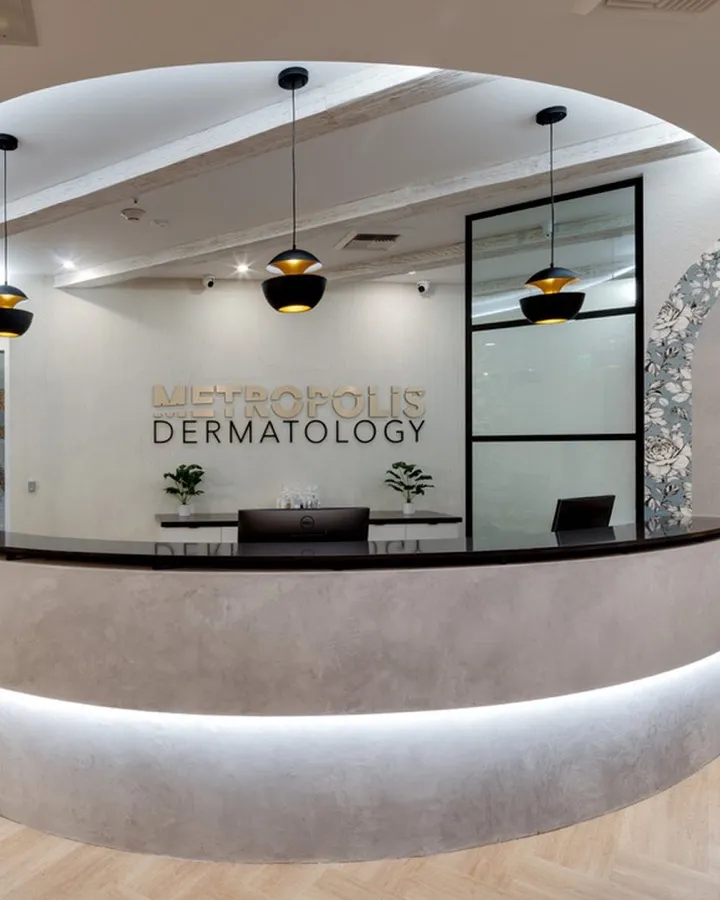
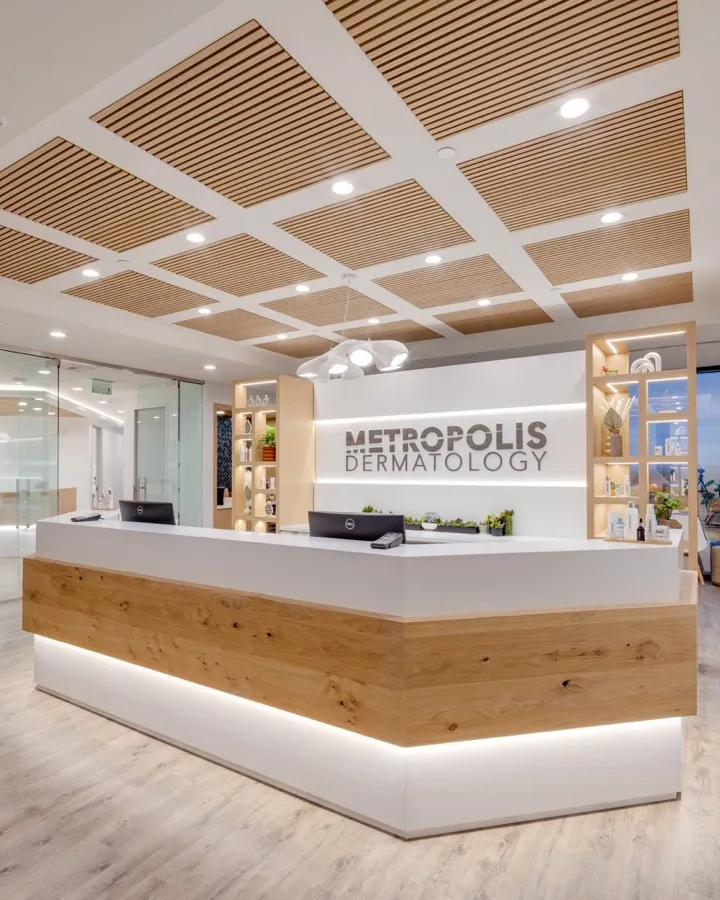
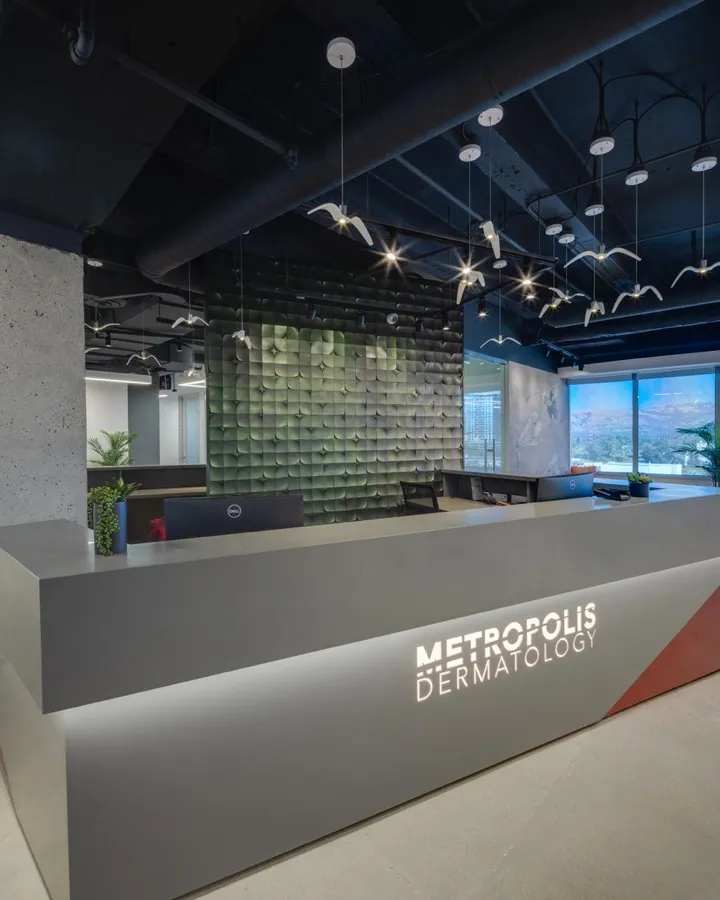
Injectables, lasers, and skin quality at five offices
Cosmetic dermatology.Cosmetic dermatologists in Los Angeles, Orange County, and San Jose
Meaningful change. Thoughtfully planned. Injectables, lasers, energy-based and non-laser treatments, and body contouring, across five offices in Los Angeles, Orange County and San Jose. Most patients worry less that nothing will happen than that everyone will know. Our team plans first, then treats.
Not sure where you fit? That is a consultation, not a menu choice.
Injectables: The skill is understanding what your face needs.
Our injectable treatments include Botox, Dysport, Jeuveau, the Restylane family of hyaluronic acid fillers, and Sculptra. Depending on the concern, injectables may be used to soften expression lines, improve facial balance, restore selected areas of volume, support collagen production, or address concerns such as jaw clenching, excessive sweating, a gummy smile, and vertical neck bands.
The goal is not to inject every visible line. It is to understand what is creating the change and use the least amount of treatment needed to improve it.
Botox, Dysport, and JeuveauBotulinum toxin softens targeted muscle activity.Available at all five offices, from our dermatologists, physician assistants, and nurse practitioners.
Restylane fillers: Lyft, Contour, Kysse, RefyneStudied in types IV to VI for smile lines and foldsHyaluronic acid fillers can restore volume, improve facial balance, and refine specific features. We select both the product and the amount carefully, with the goal of improving proportion without making the face look heavy or overfilled.Available at all five offices.
SculptraStudied in Fitzpatrick skin types I to VIStudiedSculptra works differently from traditional filler. Rather than placing hyaluronic acid to create immediate volume, it stimulates your body to gradually produce more of its own collagen.Available at all five offices.
Lasers and energy-based treatments: Chosen for your skin, not the other way around.
Our laser and energy-based technologies allow us to treat concerns involving pigmentation, redness, blood vessels, unwanted hair, acne scars, texture, pores, sun damage, wrinkles, and skin laxity.
Skin type is one of the first considerations in any laser treatment. Different wavelengths and technologies interact with pigment, blood vessels, water, and tissue in different ways. We select the technology, wavelength, depth, and settings based on your skin rather than asking your skin to fit a particular device.
Pigment, tone, and tattoosHollywood Spectra, LaseMD Ultra, and TriBeam Pro. Each device and its skin types are on the technology page.Hollywood Spectra and LaseMD Ultra: Downtown LA, Brentwood, Pasadena, San Jose. TriBeam Pro: office to confirm.
Hair removalFDA-cleared in Fitzpatrick skin types I to VI, hair removalFDA-cleared Clarity IIClarity II and Sandro Dual.Clarity II: Downtown LA, Brentwood, Pasadena, San Jose. Sandro Dual: Costa Mesa.
Resurfacing, scars, and textureFractional CO2, eCO2 and EdgeOne, studied in Fitzpatrick skin types III to IVStudied fractional CO2Studied in Fitzpatrick skin types I to IV, Genius RF microneedlingStudied GeniusStudied in Fitzpatrick skin types II to IV, UltraClear for scarsStudied UltraClearSkin resurfacing exists along a spectrum. Gentle nonablative treatments may require little downtime and produce gradual improvement, while deeper ablative treatments, including fractional CO₂ resurfacing, can create more significant change but require more recovery. The right treatment is not automatically the strongest one. Genius is FDA-cleared for electrocoagulation and hemostasis; acne scars and texture are not cleared uses.Genius and Spectra MDF: Downtown LA, Brentwood, Pasadena, San Jose. eCO2: Brentwood, San Jose. EdgeOne: Pasadena. UltraClear: Costa Mesa.
Skin tighteningSkin-tightening treatments use controlled energy to stimulate collagen remodeling beneath the surface. Improvement develops gradually over several weeks to months and is generally most appropriate for mild to moderate skin laxity. They do not reproduce the result of surgery. Density RF and Oligio X are FDA-cleared for electrocoagulation and hemostasis; skin tightening is not a cleared use, and your provider explains why it may still be recommended.Density RF: Brentwood. Oligio X: Pasadena, San Jose. Costa Mesa: a different radiofrequency device.
Non-laser treatments: Not every concern needs a laser.
We also offer microneedling, PRP microneedling, PRP, PRF, PRF gel, chemical peels, TCA CROSS, and subcision. These treatments may be used alone or incorporated into a broader plan for acne scars, uneven texture, hair thinning, under-eye concerns, or gradual skin rejuvenation.
PRP, PRF, and PRF gelPrepared from a small sample of your own blood, processed to concentrate platelets and other components involved in tissue repair. It does not behave like traditional filler and does not create the same immediate structural volume.PRP and PRF are not FDA-approved for facial rejuvenation, under-eye treatment, hair growth, or scars, and microneedling devices are not approved for delivering PRP into the skin (checked 8 November 2026).Available at all five offices.
TCA CROSS and subcisionThese work by stimulating or supporting the skin's repair processes rather than using laser energy. The same principles apply: diagnosis, patient selection, treatment depth, technique, and an understanding of how different skin tones respond.Availability varies by provider and location.
Chemical peelsTCA and VI Peel options, chosen for your skin.Available at all five offices.
Body contouring and muscle toning: Direct about what it can do.
Body treatments include truSculpt iD for localized fat reduction, truSculpt flex for muscle toning, and radiofrequency treatments for selected areas of skin laxity. These treatments refine specific areas; they are not substitutes for weight loss, exercise, or surgery. We are direct about what each option can realistically accomplish before recommending it.
truSculpt iD and truSculpt flextruSculpt iD is FDA-cleared for the abdomen and truSculpt flex for the abdomen, buttocks, and thighs; other areas are not cleared uses.Availability varies by provider and location; ask which office offers it.
How we plan: Knowing how aggressively to treat.
Good cosmetic dermatology begins with understanding your face: how it moves, where its proportions have changed, what is happening within the skin, and which features should be left alone. The treatment plan comes after that assessment, not from a standardized menu.
Our experience in both medical and cosmetic dermatology shapes how we approach this work. A single treatment may be enough. In other cases, carefully combining treatments at different depths can create a more complete result. Doing more is not the same as doing better. The value is in knowing what belongs together, how aggressively to treat, and when not to treat at all.
Skin tone is also central to the plan. Energy, wavelength, depth, and recovery must be considered differently across skin types. Our devices were selected to give us thoughtful options across a broad range of skin tones, and our providers adjust each treatment accordingly.
One practice. Each side makes the other better.
Skin does not divide itself neatly into medical and cosmetic concerns. Acne can leave scars and pigmentation. Rosacea can affect both comfort and appearance. Hair loss may require a medical diagnosis before a cosmetic treatment makes sense. Medical dermatology
Some concerns respond to a single treatment. Others benefit from combining complementary technologies or procedures that work at different depths and through different mechanisms. There is no universal combination and no preset package that is right for everyone. Combining treatments
What is the difference between dermatology and a dermatologist?
Dermatology is the field of medicine that cares for the skin, and a dermatologist is the physician trained in it. Cosmetic dermatology is the part of the field concerned with how the skin looks, such as injectables, lasers and body treatments, and at Metropolis it sits alongside medical dermatology in the same practice.
Questions: Before your first visit.
Do I need to know which treatment I want?
No. You do not need to know which product, laser, or procedure to choose before you arrive. Tell us what you notice, what you want to change, and how much downtime you can accommodate. We will evaluate the rest and build a plan around you.
Will it look like I had something done?
Most people who come to us for cosmetic treatment are not worried that nothing will happen. They are worried that everyone will know something happened. The goal is not to treat every visible line; it is to understand what is creating the change and use the least amount of treatment needed to improve it, without making the face look heavy or overfilled.
Can different treatments be combined?
Often, yes. A plan may incorporate treatments for tightening, pigmentation, texture, scarring, resurfacing, or recovery support, performed in one visit or staged over time, depending on your skin, goals, medical history, skin tone, and tolerance for downtime.
As a person of color, should I be concerned about cosmetic treatments with energy-based devices?
Many energy treatments are used in skin of color when the device and settings are chosen for the skin. Melanin absorbs some laser energy, so settings that are too strong can cause dark spots (post-inflammatory hyperpigmentation), or less often light spots, and light spots can be long-lasting.
The device matters. For laser hair removal in darker skin, dermatology reviews prefer the long-pulsed 1064 nm Nd:YAG wavelength, and Clarity II hair removal is FDA-cleared for skin types I to VI, light through deep. Radiofrequency, including RF microneedling, is not absorbed by melanin; small, limited studies report a low rate of dark spots in skin of color, and type VI has been little studied. Among our devices, fractional CO₂ resurfacing carries the most risk of dark spots: in one study in skin types III and IV, most patients developed them, and in some they lasted more than three months.
That is why skin type is one of the first considerations in any laser treatment, not a footnote. If the treatment you asked about is not a good fit for your skin, we will explain why and suggest an alternative.
Plans and costs are set at your consultation, once we know what you want to change and which treatments fit.
Where to go: Where to get cosmetic care.
Injectables, Sculptra, PRP, and chemical peels are offered at all five offices, from Downtown LA to San Jose. If you are looking for a dermatologist in Los Angeles, Orange County or the Bay Area, our locations page lists every office. Devices vary by office.
Original location and flagshipDowntown LA (DTLA)Suite 1050Our original location and flagship, serving a vibrant and diverse community where the Financial District, L.A. Live, and South Park meet.Devices: Hollywood Spectra, LaseMD Ultra, Clarity II, DermaV, Genius, Spectra MDF, Alma Hybrid CO2.888 S. Figueroa St, Los Angeles, CA 90017 (213) 319-3339Dermatologist in Downtown LA
BrentwoodSuite 900Comprehensive Westside dermatology with particular depth in injectables, advanced lasers, resurfacing, skin tightening, and hair and scalp conditions.Devices: Hollywood Spectra, LaseMD Ultra, Clarity II, DermaV, Genius, eCO2, Density RF.11645 Wilshire Blvd, Los Angeles, CA 90025 (424) 243-7668Dermatologist in Brentwood
PasadenaSuite 930Medical, surgical, and cosmetic dermatology for multiple generations of families, with particular depth in skin-cancer care, acne, rosacea, and cosmetic planning.Devices: Hollywood Spectra, LaseMD Ultra, Clarity II, DermaV, Genius, EdgeOne, Oligio X.70 S. Lake Ave, Pasadena, CA 91101 (626) 514-1472Dermatologist in Pasadena
Costa MesaSuite 650Orange County dermatology focused on skin-cancer evaluation, medical care, acne and scarring, pigmentation, and laser rejuvenation.Devices: Sandro Dual, V-Laser, Clarity II (vessels), UltraClear, and two radiofrequency devices.3080 Bristol St, Costa Mesa, CA 92626 (949) 317-2558Dermatologist in Costa Mesa
San JoseSuite 1000Medical and cosmetic dermatology for the Bay Area, with particular depth in advanced lasers, acne scarring, melasma, facial balancing, and care across diverse skin tones.Devices: Hollywood Spectra, LaseMD Ultra, Clarity II, DermaV, Genius, eCO2, Oligio X.111 N. Market St, San Jose, CA 95113 (408) 581-0161Dermatologist in San Jose
Who provides cosmetic care
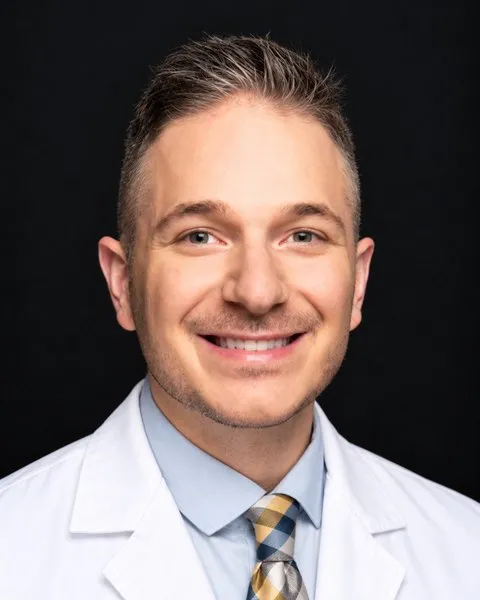
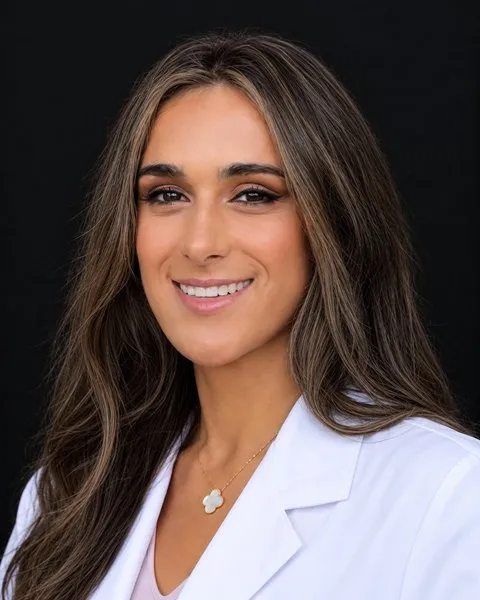
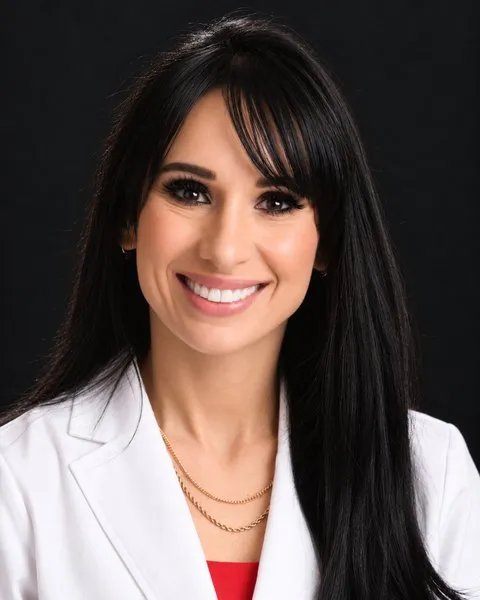
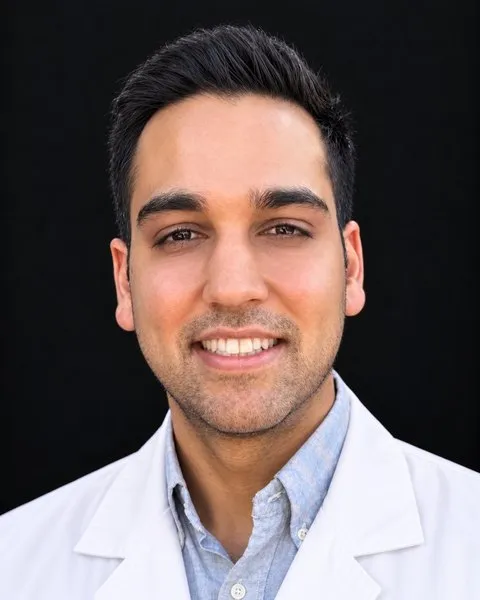
7 dermatologists, 8 physician assistants and nurse practitioners. Injectables and Sculptra are offered at every office.
Vera Lee, NP-CNurse practitionerCosmetic dermatology, including lasers and injectable treatments.San JoseView profile
Riana Sanyal, MDDermatologistMedical and cosmetic dermatology, with an interest in thoughtful cosmetic treatment through different stages of life.PasadenaView profile
Erin Collier, MD, MPHDermatologistMedical and cosmetic dermatology, with experience caring for patients across diverse skin tones.Downtown LA, PasadenaView profile
Jamie Cordoba, PA-CPhysician associateMedical and family dermatology, including selected minor procedures.PasadenaView profile
Shauna Higgins, MDDermatologist, Clinical DirectorMedical and cosmetic dermatology, with experience treating a broad range of skin conditions and skin tones.Downtown LAView profile
Raymond E. Kleinfelder IIIDermatologist, Clinical DirectorMedical and cosmetic dermatology for patients of all ages and across a wide range of skin types.BrentwoodView profile
Jasmine Nazari, PA-CPhysician associateSaturday medical dermatology at our Downtown Los Angeles location.Downtown LA (Saturdays)View profile
Maryam Safaee, MDDermatologistMedical and cosmetic dermatology, with a particular interest in hair and scalp conditions.Brentwood (Saturdays)View profile
Justin W. Marson, MDDermatologistGeneral medical and cosmetic dermatology in Costa Mesa, and Mohs micrographic surgery and selected surgical procedures in Brentwood and Pasadena, with a particular focus on skin-cancer diagnosis and treatment.Costa Mesa, Brentwood (Mohs), Pasadena (Mohs)View profile
FounderJames Y. Wang, MD, MBADermatologistMedical and cosmetic dermatology, with a particular focus on advanced cosmetic evaluation, lasers and combination treatment planning.Downtown LA (cosmetic), Brentwood (cosmetic), Pasadena (cosmetic), Costa Mesa, San JoseView profile
Tell us what you notice, what you want to change, and how much downtime you can accommodate. We will help match you with the right provider and type of visit.
4.7 on Google from 1,073 reviews
Injectables, Sculptra, and PRP at all five offices